

There is a funny thing about attention: it works a lot like gravity. When a credible source points a spotlight at your business, other people start orbiting a little closer. Not everyone, not instantly, but enough that you notice a shift.
Press coverage does not just “make you famous.” For most small businesses, the real value is quieter and more practical. It builds trust, shortens sales cycles, and makes your outreach feel less like cold calling and more like a warm introduction.
In other words, press coverage can lead to the three things small business owners want more of: partnerships, clients, and, for some businesses, investors. Let’s talk about how that actually happens and how to get more mileage out of every mention.
Contents
- Why Press Coverage Works Like A Trust Shortcut
- How Press Coverage Leads To Partnerships
- How Press Coverage Brings In Clients
- How Press Coverage Can Attract Investors
- What To Do After You Get Press Coverage
- How Press Releases Help You Earn Coverage
- A Practical Way To Measure Impact
- Frequently Asked Questions
Why Press Coverage Works Like A Trust Shortcut
Small businesses compete in a noisy world. Customers are cautious. Partners are selective. Investors are allergic to unnecessary risk. Press coverage helps because it changes the “default assumption” from skepticism to curiosity.
Third-Party Validation Beats Self-Promotion
When you say you are great, people hear marketing. When a credible outlet mentions you, people hear, “Someone else checked this out and it might be worth your time.” That difference is the heart of press value.
It is the same reason restaurant lines attract more customers. People assume the crowd knows something. Press coverage creates that same social signal, just in a more professional outfit.
Press Mentions Reduce Perceived Risk
Most buying decisions, especially higher-value ones, are not just about price. They are about risk. Will this vendor deliver? Will this product work? Will I regret this decision?
Press mentions help reduce that uncertainty. Even a short blurb in a respected local business journal can reassure someone who is doing their final round of research.
How Press Coverage Leads To Partnerships
Partnerships are built on credibility and alignment. Press coverage can support both. When another business sees you being discussed publicly, it signals you are active, growing, and worth collaborating with.
It Creates A Reason To Reach Out
Partnership conversations often start awkwardly, because nobody wants to sound opportunistic. Press gives a natural opener.
Here is what that looks like in real life:
You: “Hey, I saw you in the business journal and thought we might have some overlap.”
Them: “Oh, thanks. What did you have in mind?”
That is a smoother start than, “Hello stranger, please do business with me.”
It Helps Partners Sell The Partnership Internally
If a partner needs approval from a manager or committee, press becomes a supporting document. It is easier for them to say, “This company was featured for X,” than to ask others to take your claims on faith.
It Positions You As The “Known Quantity”
When two potential partners are similar in size and offering, the one with more visible credibility often wins. Press mentions can tip that scale, especially in crowded niches like consulting, software, wellness, and local services.
How Press Coverage Brings In Clients
Clients rarely buy because of a single touchpoint. They buy after a chain of small reassurances. Press can be one of the most powerful links in that chain.
It Shortens The “Getting To Know You” Phase
When someone discovers your business through a mention or an interview, they skip the first layer of skepticism. They already have context. They already have a story. They feel like they know you.
This is especially helpful for service businesses, where trust is the product. A potential client may not understand your process yet, but they can understand, “This company is being talked about.”
It Increases Conversion On Your Website
Press coverage is not only about new traffic. It can improve how your existing traffic converts. Adding a simple “As Seen In” or “In The News” area on your site can boost confidence right at the moment someone is deciding whether to contact you.
Even better, press coverage can support specific sales pages. If a press mention relates to a product launch or a new service line, link that mention near the call to action. It is like having a respected third party stand next to your “Book Now” button and nod.
It Gives You Better Content For Follow-Up
Press mentions are great for follow-up emails and proposals because they are not salesy. You can send a potential client something useful and interesting, and the credibility travels with it.
For example:
- “Thought you might enjoy this recent interview where we explained our approach.”
- “Here is a short feature that covers the results we got in this area.”
- “This mention explains why we built the service the way we did.”
How Press Coverage Can Attract Investors
Not every small business is looking for investors, and that is perfectly fine. Many businesses are built to be profitable and independent, and that is a great plan.
But if you are raising money, or you might in the future, press coverage can support your narrative in a few meaningful ways.
It Signals Momentum
Investors pay attention to signals. Press coverage can indicate that your market finds your story interesting, that you are hitting milestones, and that you know how to communicate your value.
It is not proof of product-market fit, but it is a supporting signal, especially when coverage aligns with real metrics like revenue growth, customer adoption, or partnerships.
It Strengthens Your Pitch Deck And Data Room
When you include press mentions in a deck, you are not just decorating slides. You are reducing perceived risk. It becomes easier for an investor to explain you to their partners: “This company is getting attention for X, and here is why.”
It Helps With Recruiting, Which Helps With Investment
This connection surprises people. Coverage can help you attract better hires or advisors, and better talent can improve execution. Strong execution makes fundraising easier. The dominoes are real, even if they fall slowly.
What To Do After You Get Press Coverage
Here is where many businesses leave value on the table. They get coverage, celebrate (as they should), then move on. But a press mention is not a one-day event. It is an asset you can reuse.
Create A Simple “Press” Or “News” Page
Add a page on your site that collects mentions, interviews, and announcements. Keep it clean and easy to scan. This page becomes a credibility hub you can link in emails, proposals, and partnership outreach.
Use It In Outreach Without Sounding Braggy
You do not need to say, “Look how amazing we are.” Let the coverage speak. A simple line works:
“We were recently featured in a piece about X, and it made me think of your work on Y.”
That is confident, not loud.
Turn One Mention Into A Content Week
Repurpose strategically. You can turn one mention into multiple posts without repeating yourself:
- A short blog post expanding on the story behind the coverage
- Two to three social posts with key quotes or takeaways
- An email to your list with a human note: “Here is what we learned”
- A sales enablement snippet for proposals and follow-ups
Make The Next Step Obvious
If coverage sends people to your site, do not make them guess what to do. Add a clear call to action that matches the story: book a call, request a demo, join a waitlist, download a guide, or visit a specific offer page.
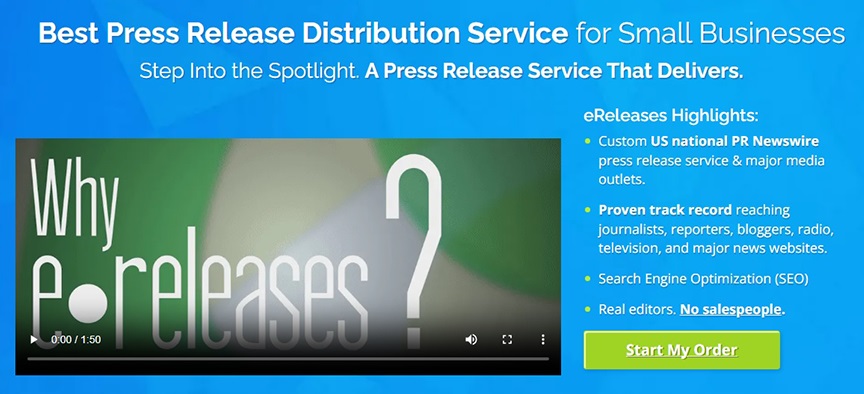
How Press Releases Help You Earn Coverage
Press coverage often starts with a simple question from an editor: “What is new here?” Press releases exist to answer that question in a format the media recognizes.
When you distribute a well-written press release about something genuinely newsworthy, you increase the odds that the right people see it. Even if you do not land a big feature, you can still gain mentions and visibility that support the trust-building effects we talked about earlier.
Make Your Story Easy To Use
If you want more press, make it easier for someone to write about you. That means:
- A clear angle in the headline and first paragraph
- Specific facts, dates, and numbers
- A quote that adds meaning, not fluff
- A media contact who responds quickly
- Visuals ready to share, if relevant (photos, logos, screenshots)
Press is often about convenience. If your story is easy to publish, it becomes easier to say yes.
A Practical Way To Measure Impact
Press coverage can feel intangible, so it helps to track a few simple signals for 30 to 60 days after a release or mention:
- Increases in branded searches (people searching your business name)
- Referral traffic from mention pages
- New partnership inquiries, even small ones
- Shorter sales cycles or higher close rates
- More confident conversations, fewer “prove it” objections
If you are seeing even one or two of those, press is doing its job. It is not always loud, but it is often effective.
Press coverage is not the whole engine of growth, but it can be a powerful lubricant. It reduces friction. It opens doors. It makes the next conversation easier than the last one. For small businesses trying to build credibility without shouting, that is a pretty good deal.
Frequently Asked Questions
Does Press Coverage Directly Create Sales?
Sometimes, but the most common impact is indirect. Coverage builds trust, improves conversion, and shortens sales cycles, which can lead to more sales over time.
What Kind Of Press Coverage Helps Small Businesses The Most?
Coverage that reaches your actual buyers or partners is usually the most valuable. For many small businesses, local business journals and niche industry outlets can outperform broad, general coverage.
How Can I Use Press Mentions Without Looking Like I Am Bragging?
Share the coverage as a helpful resource, tie it to the reader’s interests, and keep the tone matter-of-fact. Let the third-party mention do the heavy lifting.
Do I Need A Press Release To Get Press Coverage?
No, but press releases can help by presenting your news in a familiar format and improving distribution. They are especially useful for launches, milestones, partnerships, and announcements with clear dates and details.