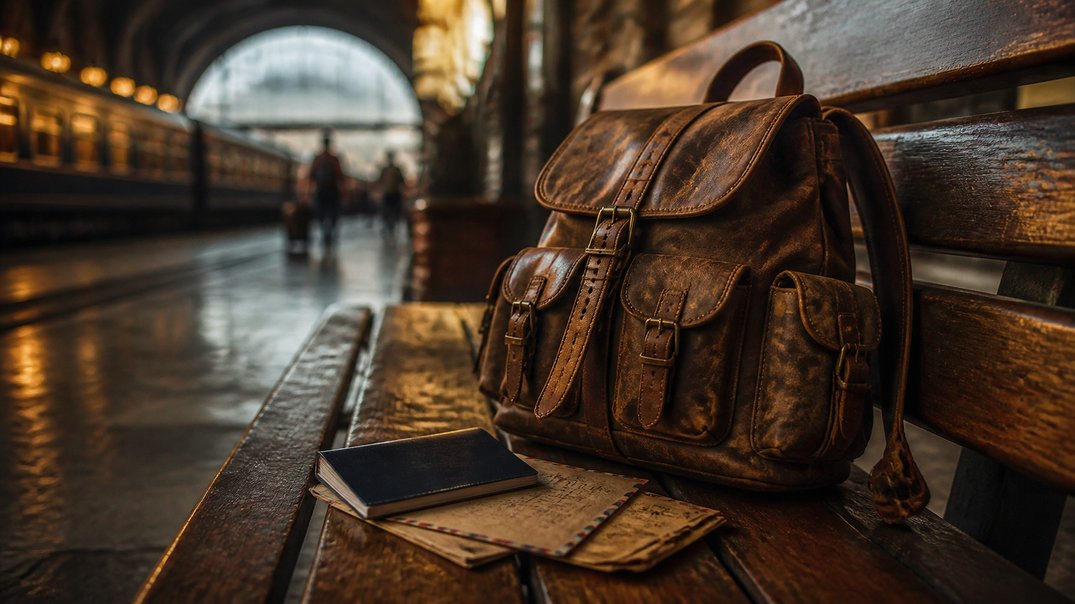
Many digital nomads use a virtual mailbox. It gives you a permanent street address, collects your letters and packages while you travel, and lets you decide what happens to each item, whether that means scanning, forwarding, holding, or recycling. It is the simplest way to keep a steady address when your location changes every few weeks.
Why Mail Gets Tricky for Full-Time Travelers
Paper mail does not disappear just because you work from a laptop. Banks, insurers, tax agencies, and licensing offices still send letters, and some of them are time-sensitive. A friend’s couch address or a short-term rental works for a month, but it falls apart the moment you move on.
Forwarding mail from place to place means updating instructions every time you relocate, which gets tiresome fast. A permanent address that stays put while you roam is the better fit, and that is exactly the problem a virtual mailbox is built to solve.
How a Virtual Mailbox Works When You Are Always on the Move
A virtual mailbox provider receives mail at a street address you can use anywhere. When something arrives, many providers notify you and show a photo of the envelope in an online account. You then choose what happens next:
- Scan the contents so you can read them on any device
- Forward the item to wherever you are staying
- Hold it until you return or decide
- Recycle or shred junk and old notices
Forwarding is built into the paperwork. USPS Form 1583, which every customer completes, includes a section for mail that will be transferred, mailed, shipped, or emailed to another address. The same form says items sent back through the postal system must carry new postage, so expect shipping charges when you ask for something to be forwarded. Because you control each decision from your phone, a delayed flight or a slow border crossing never turns into a missed envelope.
Setting Up Your Mail Before You Leave
Do this before you travel, not from a hostel in a new time zone. The USPS form requires two types of identification, and you sign it in front of the provider or a notary. The form lets the provider witness your signature in real time by audio and video, which is handy when you are in a different country than your mailbox.
Pick a mailbox location that suits your life. A state where you have ties, or one that is easy to reach for a passport or license renewal, is a sensible choice. Also check which hours your provider’s support team keeps, so help is available when you are awake in a faraway time zone.
Once you are approved, update your address with your bank, credit cards, insurers, tax accounts, and any subscriptions that still send paper. Next, set your notification preferences so a new envelope never sits unnoticed. Finally, test the system by mailing yourself a letter and walking through each option, from scan to forward.
Limits Every Nomad Should Know About
A virtual mailbox is a mailing address, not a place of residence. Some banks, government agencies, and online services ask for a residential address, and a mailbox may not satisfy that request. Ask each institution what it accepts.
Physical items are the other challenge. Replacement bank cards, certified letters, and original documents cannot be read from a scan, so they need forwarding, which takes time and money. Order cards before you leave, choose electronic statements when you can, and ask your provider about customs rules if you cross borders often.
Your mailing address is also not the same thing as your tax or legal residency, which follow their own rules. This article is general information, not legal or tax advice, so check with a professional about your situation. With a good setup, you can travel light and still keep your important mail within reach.
Digital Nomad Mail FAQs
Can I Check My Mail From Another Country?
Many providers let you view scanned envelopes online and decide what to do with each item. Confirm the feature with yours.
Can I Have Mail Forwarded to Wherever I Am Staying?
Many providers can forward mail and packages to another address. Re-mailed items need new postage, so expect a shipping fee.
Do I Need to Live in the Same State as My Virtual Mailbox?
No. The mailbox can be wherever you choose. Your tax and legal residency follow their own rules, so ask a professional.