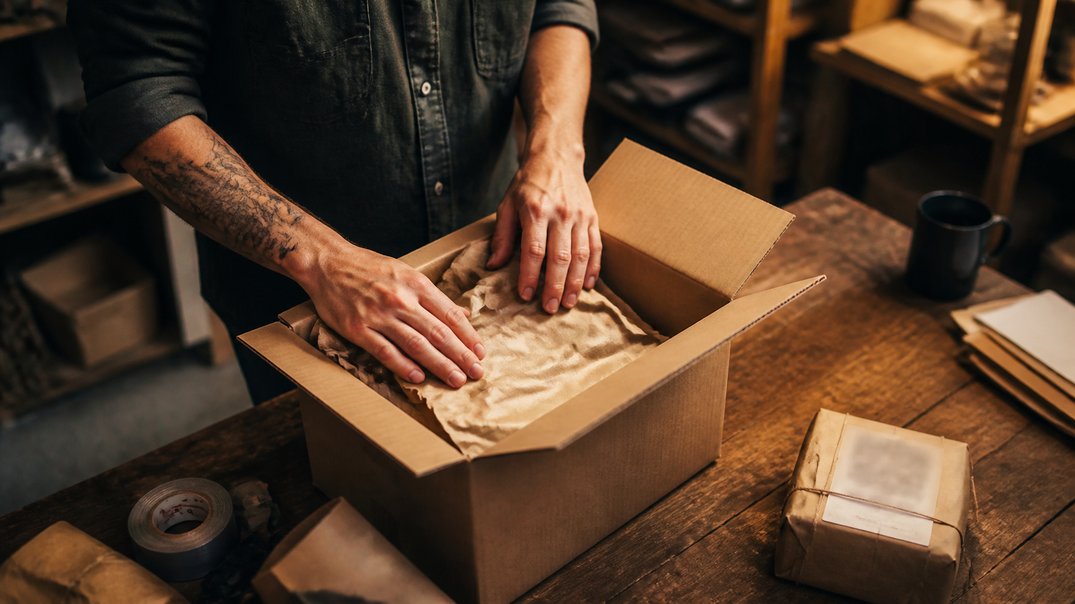
It gives your store a street address for returns that is not your home, accepts return packages for you, and lets you review incoming shipments before you decide what to do with them. Check package rules with your provider first, and make sure your return policy shows the address clearly.
Why Returns Deserve Their Own Address
Returns are part of selling online, and each one carries a shipping label. If that label shows your home address, every customer who sends something back learns where you live. A separate return address protects your privacy and keeps your living space free of other people’s returned packages. Returns also create paperwork. Slips, labels, and notes pile up quickly when packages arrive at home, and a mailbox gives you one place to track them.
Marketplaces add another wrinkle. They often ask for a home or legal business address when you verify your account. Etsy’s seller verification guide, for example, says individuals and sole proprietors provide a home address, while incorporated businesses provide a legal business address. Verification details and your public return address are separate questions, so ask each platform which address buyers can see.
How the Returns Process Works With a Mailbox
The flow is straightforward. Your return policy lists the mailbox address, and customers ship items there. The provider receives each package, logs it, and notifies you. Then you choose what happens next: hold the package, pick it up, or have it forwarded to you.
Forwarding is where costs appear. USPS Form 1583 says items re-mailed through the postal system must carry new postage, so ask how your provider prices forwarding and whether it can combine several returns into one shipment. If someone else will collect packages for you, list that person as an authorized individual, and remember they must show two types of ID.
Once a return reaches you, inspect it, update your records, and issue the refund or exchange under your policy. A mailbox does not change those steps. It changes where the box lands. Take photos when a return arrives, since a record of its condition protects you in disputes.

Questions to Ask Before You Use One for Returns
Returns come in all shapes and sizes, so confirm the details first:
- Which carriers do you accept for incoming packages?
- What are your size and weight limits?
- How long are packages held, and what storage fees apply?
- Do you charge per package received?
- Can you notify me for each arrival and photograph the package?
- How do you handle a surge of packages after a big sale?
Choose a provider whose answers match your volume. A store that gets a handful of returns a month has different needs than one with dozens each week. Ask for the answers in writing, since policies can change, and revisit them before your busiest season.
Tips for Smoother Returns
Put the return address in your policy, on packing slips, and in your confirmation emails, and include your full mailbox number exactly as the provider formats it. Ask customers to request a return authorization number first and write it on the package, so you can match each arrival to an order.
Tell customers how long returns take to process. Because packages pass through a provider before they reach you, add a little time to your estimate. Check each marketplace’s rules about return addresses too, since some platforms have their own requirements. A small amount of planning makes returns one of the smoother parts of running your store. Keep a simple log of returns, with the order number, date received, condition, and outcome. The log helps you spot patterns, such as a product that comes back more often than it should.
Online Store Returns FAQs
Can I Use a Virtual Mailbox Address as My Return Address?
Often yes, as long as your provider accepts the carriers and package sizes involved. Confirm before you publish it in your return policy.
Who Inspects Returned Items?
Usually you do, after the provider forwards the package or you pick it up. Some providers offer limited inspection services, so ask.
What if a Return Arrives Damaged?
Ask your provider how it documents package condition on arrival, and keep photos in case you need to file a claim with the carrier.